Select your store for Click & Collect*
Find your nearest store
Change postcode
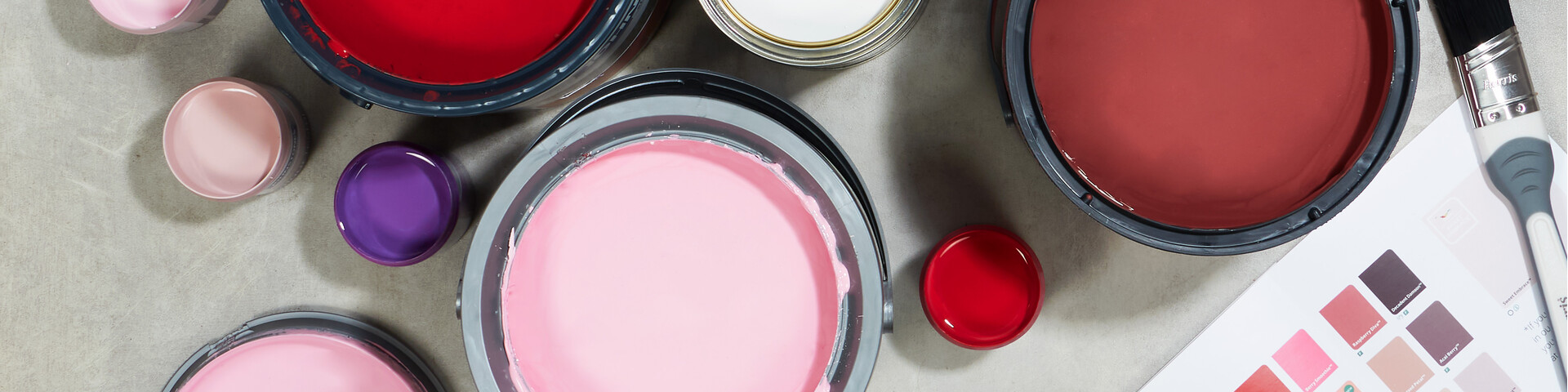
Upcycling old wardrobes, sideboards, dining chairs, and chests of drawers with furniture paint is one of the best ways to give your home a fresh new look on a budget. So if your current mood board is full of vintage shabby-chic styles or cutesy country kitchen cabinets, and you’re looking to get the look for yourself, you’re in the right place.
With dozens of paint brands and finishes available across the UK, finding the best furniture paint can feel a little overwhelming at times. In this guide, we break down some of your top options, why we think wilko furniture paint is one of the best choices for quality and value, and how to prepare any surface for a flawless paint job.
If you’re looking for more ways to decorate, check out our choice of specialist paint, our wider home paint collection, and our painting accessories for finishing the job.

When upcycling furniture, you need a paint formula that delivers on a few key things: good coverage, smooth application, and long-term durability - all without costing a fortune per tin.
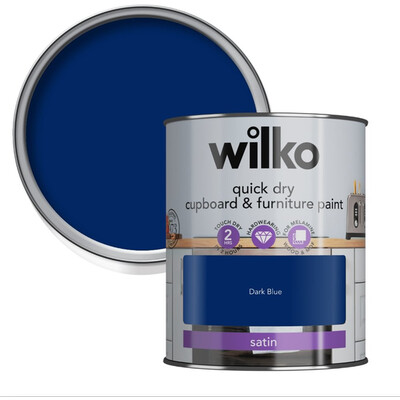
A household staple for DIY since 1973, wilko paint has earned its reputation as a UK favourite for very good reason. Formulated specifically for everyday upcyclers, wilko's furniture paint collection offers high-pigment performance that holds its own against luxury designer tins at a budget-friendly price.

The right furniture paint can make all the difference to your finished project, helping an old piece of furniture feel at home in your space. But colour isn't the only thing to think about. The surface you're painting, the finish you want, and how much wear the furniture gets will all affect which paint is best for the job.
Before you buy, compare the price, coverage, drying time, and prep needed. Here's what to consider when choosing furniture paint for your next upcycling project.
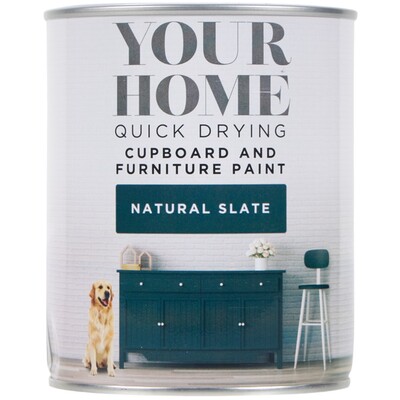
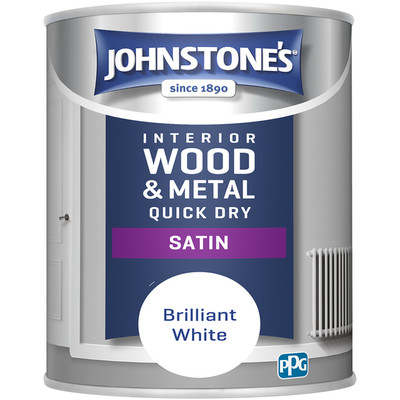
We stock a wide variety of paint brands here at The Range, so there’s always plenty to choose from.

When comparing furniture paints, overall value doesn’t necessarily mean the cheapest tin you can find. Coverage, the number of coats required, and whether you'll need a separate primer or protective finish all affect the overall cost. If you're painting a few different pieces of furniture, choosing a paint that spreads well and offers good coverage will be a good choice for you, and your budget.
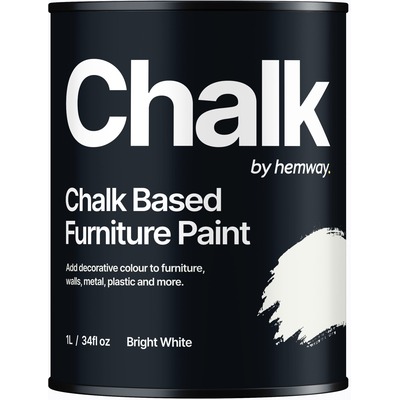
Different finishes will change the overall look of your furniture, as well as the practicality of it too. Chalk paint creates a soft, matt appearance that suits vintage-inspired pieces and distressed finishes, while satin paint has a more subtle sheen that works well on cabinets, chairs, and side tables. Eggshell finishes offer another low-sheen option for something more understated.
Think about how the furniture will be used, too. Pieces that see lots of daily wear and tear may need a more durable finish or an additional protective coating. Always check the manufacturer's guidance to see whether the paint needs sealing.
If you’ve got an upcycling project that just needs to be finished over a weekend, check the paint's drying time and how long you need to wait between coats. Water-based furniture paints are often easier to clean up after use and tend to have less odour than solvent-based alternatives, making them a popular choice for indoor projects.
For a smoother result, apply thin, even coats and allow each one to dry as directed. Drying times vary by product, temperature and ventilation, so avoid rushing the next coat even if the surface feels dry to the touch.

Different furniture materials need slightly different preparation techniques to make sure your paint for furniture adheres perfectly and doesn’t end up chipping.
Wood is one of the easiest surfaces to upcycle, just wash down the furniture with sugar soap to remove grease and furniture polish. Lightly sand the surface with fine sandpaper to smooth down any rough grain, wipe away the dust, and apply two coats of your chosen paint.
Flat-pack furniture made from laminate or melamine is non-porous, meaning paint cannot absorb into it naturally. Here’s what you need to do instead:
For metal handles, chair legs, or rigid plastic, scuff-sand the surface to remove any rust or gloss, apply a dedicated metal/plastic primer, and coat with a durable satin furniture paint or multi-surface paint.
Ready to get started? Explore furniture paint at The Range to find the paint and decorating essentials for your next upcycling project.

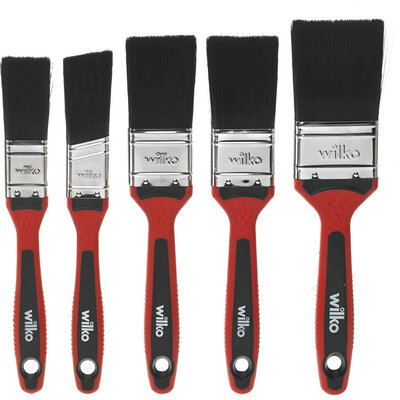
You can shop for furniture paint online at The Range, including products from wilko where available. Compare the finishes, coverage and application instructions to find an option that suits your furniture and budget. It's also worth checking whether you'll need primer, brushes or a protective finish before you start.
Not always, as some paints are designed to be applied with minimal sanding. However, lightly sanding a smooth or previously painted surface can help the new paint adhere. Remove any loose or flaking paint, clean away dust and grease, and check the manufacturer's preparation advice before painting.
Chalk paint may need a protective finish, particularly on furniture that gets regular use. Furniture wax can give a soft finish, while a suitable clear lacquer may be more practical for surfaces that need regular cleaning.
The best option depends on the cupboard material and how much wear the surface gets. Look for a paint that's suitable for the existing finish and intended use, and check whether a primer is needed, especially on laminate or melamine. A durable, wipeable finish is often a practical choice for kitchen cupboards.